What Are Prediction Markets?
Prediction markets are gaining popularity, and many North Carolinians are discovering them for the first time. But what are they? Prediction markets allow people to risk money on the outcome of just about any future event. These events can include just about anything: sporting events, elections, award shows, company announcements, weather events – even the outcome of reality TV! While these markets look different from traditional sports gambling, risking money on uncertain outcomes is still gambling.
Examples of events you could wager money on include:
- Will a political candidate win an upcoming election?
- Will a movie win an award for best picture?
- Will your favorite couple be voted off Love Island?
Where Are People Participating?
Prediction markets are becoming increasingly accessible through online platforms that allow users to put money on whether a future event will happen. Some of the best-known platforms include Kalshi and Polymarket, where users can participate in markets covering everything from politics and economics to entertainment and global events.
Participation continues to grow. In addition to U.S. sportsbooks, people have been risking money on the 2026 World Cup through prediction markets. According to a recent ESPN article, citing data from DeFi Rate, more than $2.5 billion could be traded on World Cup event contracts through U.S. prediction markets alone.
Before participating in any prediction market, consumers should understand how these platforms work and the financial risks involved.
What Does This Mean For North Carolinians?
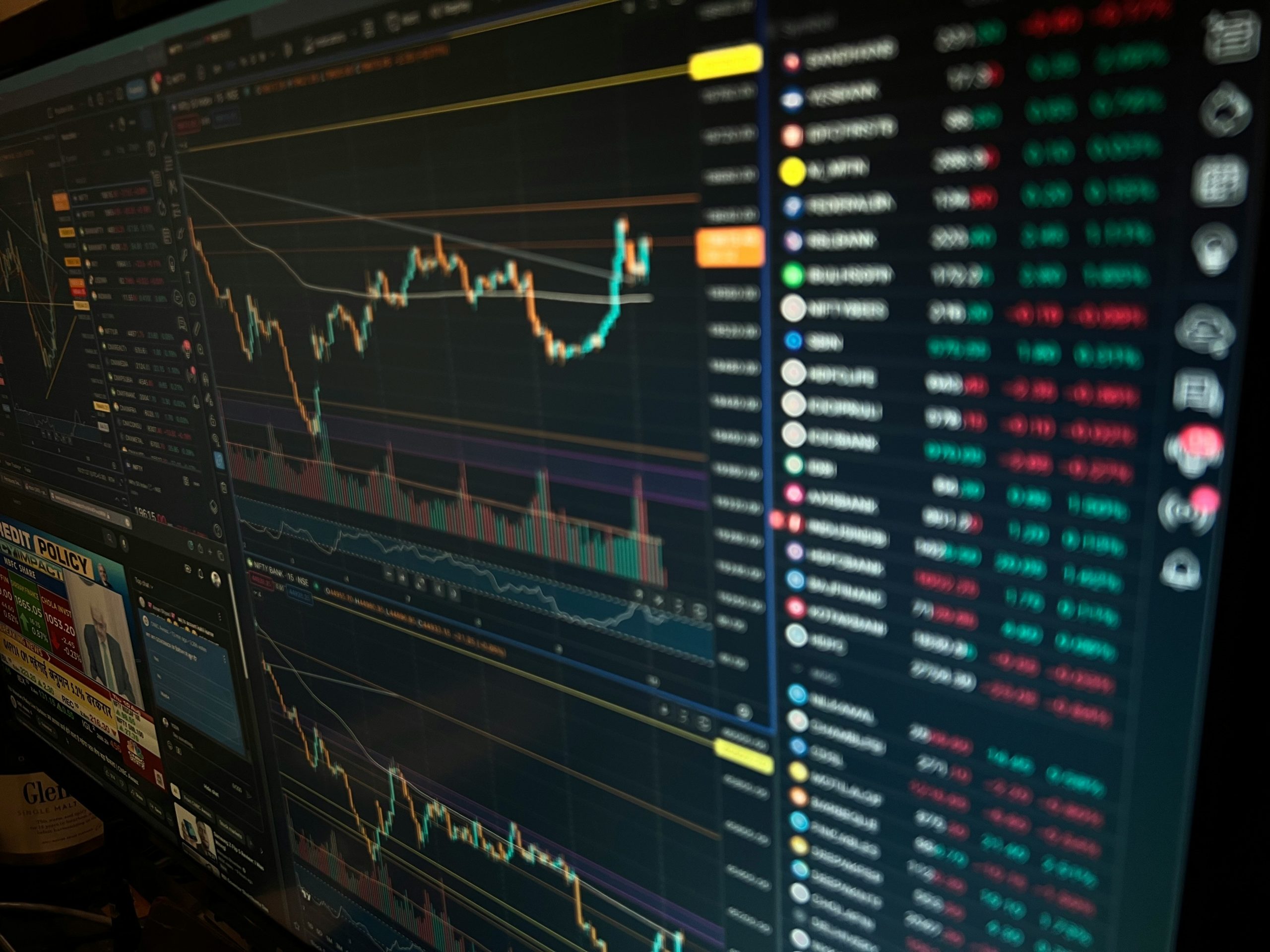
One of the biggest misconceptions surrounding prediction markets is that they are a pathway to financial success. Because participation is often described as “trading,” these platforms can feel more like investing in the stock market than gambling. In reality, participants are still risking money on uncertain outcomes, and losses are always possible.
Prediction markets are continuing to gain traction nationally, and right here in North Carolina. The state’s 2026 budget agreement, recently signed into law by Gov. Josh Stein, further legitimized these markets by imposing 6% on prediction market revenue.
What Is APNC Doing?
At APNC, we believe education is the strongest tool for prevention. Understanding how prediction markets work, recognizing the potential risks, and reviewing available guidelines are important steps toward making informed decisions.
To help inform North Carolinians and key stakeholders, we recently published a policy brief examining the current state of prediction markets in the United States. The brief provides additional context to support education, prevention efforts, and identifying early warning signs when help may be needed.
Prediction markets will likely remain part of the gambling conversation for years to come. By staying informed and encouraging open discussions about responsible gambling and prevention, North Carolinians can better understand these platforms, recognize warning signs, and know when to seek support.